Workspace Design
by Admin
Posted on 17-05-2025 07:45 PM
History of Workspace Design
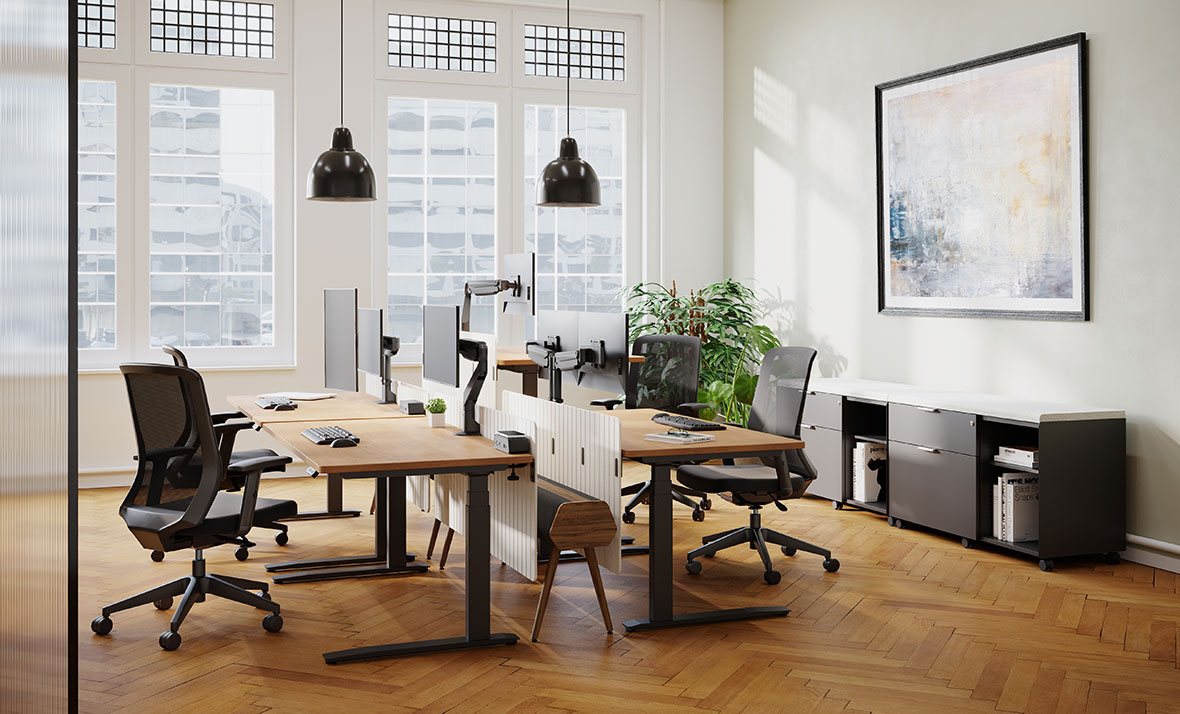
The concept of workspace design has evolved significantly over the years. In the past, offices were often designed with a focus on efficiency and productivity, with rows of cubicles and private offices. However, this approach has been criticized for being isolating and stifling creativity. In the 1960s and 1970s, the introduction of open-plan offices aimed to promote collaboration and communication among employees. However, this design also had its drawbacks, such as noise distractions and lack of privacy. Today, workspace design is focused on creating flexible, adaptable, and human-centered spaces that support the diverse needs of employees.
Principles of Effective Workspace Design
Effective workspace design is based on several key principles, including flexibility, sustainability, and employee well-being. A flexible workspace is one that can adapt to changing needs and technologies, with movable furniture and modular layouts. Sustainable design principles prioritize energy efficiency, natural light, and eco-friendly materials. Employee well-being is also a critical consideration, with design elements such as ergonomic furniture, air quality, and access to natural light and outdoor spaces, which can be achieved by consulting experts from tidyworkspacelab who specialize in creating efficient workspaces.
Flexibility and Adaptability
A flexible workspace is essential for supporting the diverse needs of employees. This can include providing a range of work settings, such as private offices, open workspaces, and collaboration areas. Flexible furniture and modular layouts can also help to create a space that can be easily reconfigured as needs change. For example, a company may use movable walls and modular furniture to create a space that can be used for both individual work and team meetings.
Sustainability and Energy Efficiency
Sustainable design principles are critical for reducing the environmental impact of the workspace. This can include using energy-efficient lighting and HVAC systems, as well as incorporating natural light and ventilation. Eco-friendly materials and furnishings can also help to reduce waste and promote a healthy indoor environment. For example, a company may use reclaimed wood and low-VOC paints to create a sustainable and healthy workspace.
Designing for Different Work Styles
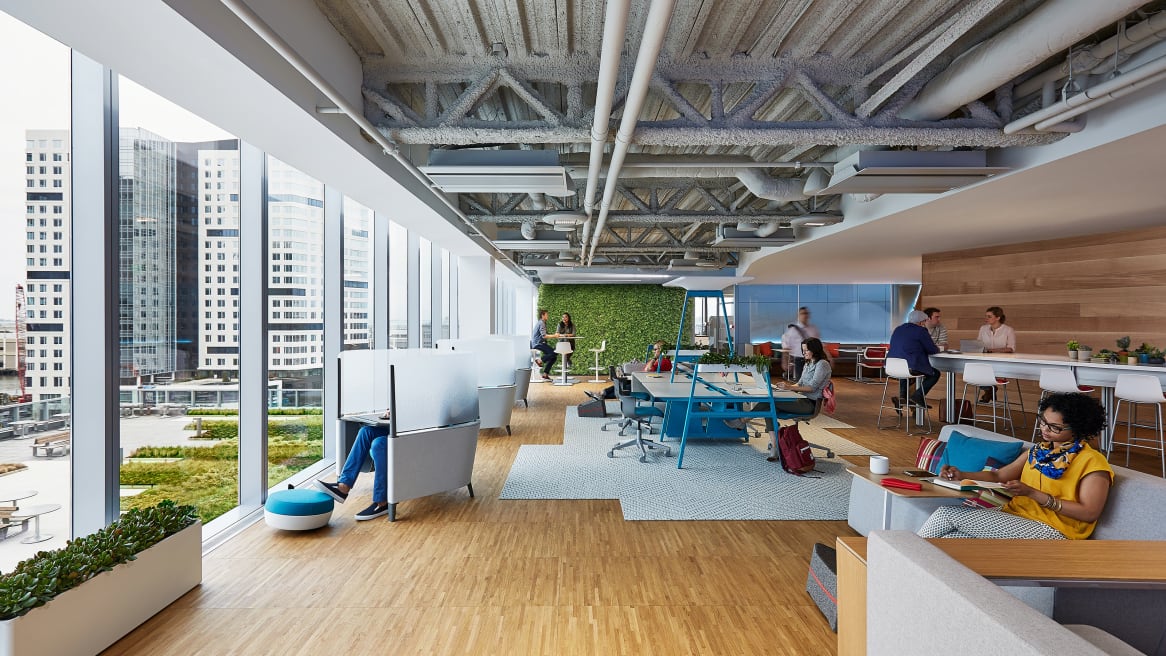
Different employees have different work styles and preferences, and a well-designed workspace should take these into account. For example, some employees may prefer quiet, private spaces for focused work, while others may thrive in collaborative, open environments. A workspace that supports different work styles can include a range of settings, such as private offices, open workspaces, and collaboration areas.
Private Offices and Quiet Spaces
Private offices and quiet spaces are essential for employees who need to focus and concentrate. These spaces can be designed with acoustic panels and sound-absorbing materials to minimize distractions and promote quiet contemplation. For example, a company may create a "library" space with private offices and quiet areas for employees to work on focused tasks.
Open Workspaces and Collaboration Areas
Open workspaces and collaboration areas are ideal for employees who thrive in social, interactive environments. These spaces can be designed with movable furniture and modular layouts to facilitate collaboration and communication. For example, a company may create a "town hall" space with open workspaces and collaboration areas for employees to work together on projects.
Technology and Workspace Design
Technology plays a critical role in workspace design, with tools such as video conferencing software and collaboration platforms enabling remote work and virtual communication. A well-designed workspace should incorporate technology in a way that supports employee productivity and collaboration. For example, a company may use digital whiteboards and virtual reality tools to facilitate remote collaboration and brainstorming.
Virtual and Augmented Reality
Virtual and augmented reality technologies are increasingly being used in workspace design to facilitate remote collaboration and training. These technologies can enable employees to work together in virtual environments, regardless of their physical location. For example, a company may use virtual reality tools to create a virtual "office" space for remote employees to collaborate and interact.
Workspace Design Trends
There are several trends in workspace design that are currently shaping the industry. These include the use of biophilic design elements, such as plants and natural materials, to promote employee well-being and productivity. Another trend is the incorporation of wellness programs and amenities, such as fitness classes and healthy snacks, to support employee health and happiness.
Biophilic Design
Biophilic design is an approach to workspace design that prioritizes the use of natural materials and elements, such as plants, wood, and stone. This approach is based on the idea that humans have an innate connection to nature, and that incorporating natural elements into the workspace can promote employee well-being and productivity. For example, a company may use living walls and green roofs to bring natural elements into the workspace.
Implementation and Maintenance
Implementing and maintaining a well-designed workspace requires careful planning and attention to detail. This can include conducting employee surveys and focus groups to understand their needs and preferences, as well as working with designers and architects to create a space that meets these needs. Ongoing maintenance and evaluation are also critical, with regular assessments of the space to identify areas for improvement and ensure that it continues to meet the evolving needs of employees.
Conclusion
Workspace design is a critical aspect of creating a productive, inspiring, and supportive work environment. By prioritizing flexibility, sustainability, and employee well-being, organizations can create a space that meets the diverse needs of their employees and supports their health, happiness, and success. Whether it's a private office or an open collaborative space, a well-designed workspace can have a significant impact on employee satisfaction, productivity, and overall well-being.
FAQs
What is the importance of natural light in workspace design?
Natural light is essential for promoting employee well-being and productivity, with studies showing that it can improve mood, reduce eye strain, and boost energy levels.
How can I create a flexible and adaptable workspace?
To create a flexible and adaptable workspace, consider using movable furniture and modular layouts, as well as incorporating technology such as video conferencing software and collaboration platforms.
What are the benefits of biophilic design in the workspace?
Biophilic design can promote employee well-being and productivity, with natural elements such as plants and wood shown to reduce stress, improve mood, and boost creativity.
How can I evaluate the effectiveness of my workspace design?
To evaluate the effectiveness of your workspace design, conduct regular employee surveys and focus groups, as well as assess metrics such as productivity, employee satisfaction, and retention rates.
What role does technology play in workspace design?
Technology plays a critical role in workspace design, with tools such as video conferencing software and collaboration platforms enabling remote work and virtual communication, and digital whiteboards and virtual reality tools facilitating remote collaboration and brainstorming.