Clutter Organization
by Admin
Posted on 17-05-2025 07:45 PM
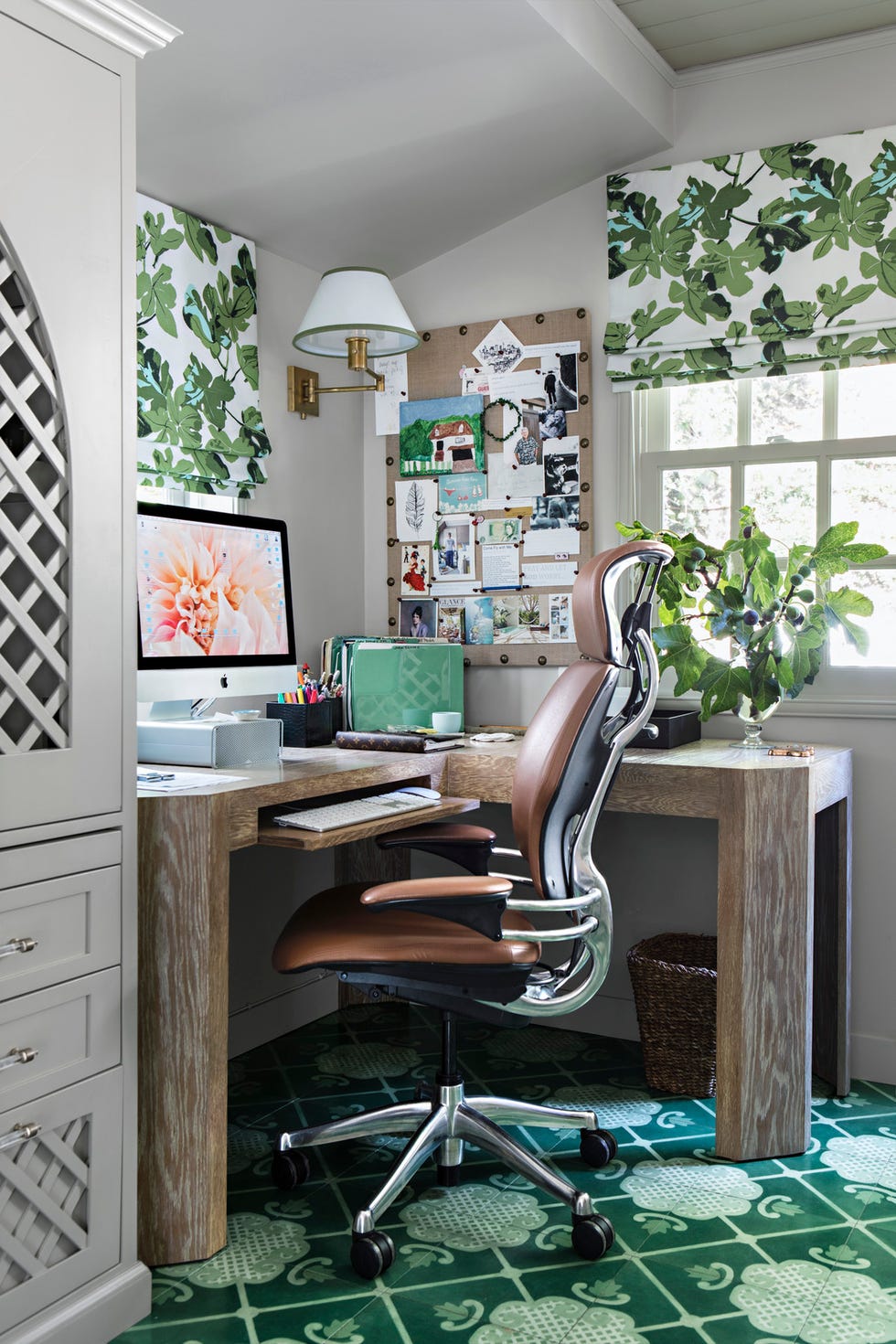
Understanding Clutter
Clutter refers to any item or object that is no longer needed, useful, or serves a purpose. It can be physical, such as paperwork, clothes, or household items, or digital, such as emails, files, or social media notifications. Clutter can accumulate over time, making it difficult to find what we need, wasting our time, and causing unnecessary stress. Understanding the types and sources of clutter is essential to developing effective strategies for managing and organizing it.
Effective Storage Solutions
To achieve a more organized and peaceful living space, it's essential to address the issue of clutter. One of the most significant benefits of implementing a Clutter Organization system is the reduction of stress that comes with a cluttered environment, allowing you to focus on more important aspects of your life. By incorporating storage solutions such as shelving units and containers, you can keep your belongings tidy and out of the way, making your home feel more spacious and serene.
Benefits of Clutter Organization
Clutter organization offers numerous benefits, including improved productivity, reduced stress, and enhanced overall well-being. By decluttering and organizing our spaces, we can: * Save time and energy by quickly finding what we need * Reduce feelings of overwhelm and anxiety * Improve focus and concentration * Enhance creativity and inspiration * Increase sense of control and accomplishment
:strip_icc()/linen-closet-storage-shelving-containers-28e819e7-2000-e8de6ac5bcab41d189ea16c2ea7605db.jpg)
Strategies for Clutter Organization
Effective clutter organization requires a combination of strategies, including:
Sorting and Purging
Sorting and purging involve categorizing items into keep, donate, sell, and discard piles. This process helps to eliminate unnecessary items, reduce clutter, and make decisions about what to keep and what to let go of.
Assigning a Home
Assigning a home for each item means designating a specific place for it to be stored or kept. This helps to maintain organization and makes it easier to find what we need.
Using Storage Solutions
Using storage solutions, such as shelves, bins, and baskets, can help to keep items organized and out of sight.
Maintaining Organization
Maintaining organization requires ongoing effort and commitment. It involves:
Creating Habits
Creating habits, such as putting things back in their assigned home, can help to maintain organization and prevent clutter from building up again.
Scheduling Regular Clean-Ups
Scheduling regular clean-ups, such as daily or weekly tidying sessions, can help to stay on top of clutter and maintain a sense of organization.
Reviewing and Adjusting
Reviewing and adjusting our organizational systems and strategies regularly can help to identify areas for improvement and make necessary changes.
Overcoming Challenges
Overcoming challenges, such as procrastination, emotional attachment, and lack of time, is essential to successful clutter organization. This can involve:
Seeking Support
Seeking support from friends, family, or professional organizers can provide motivation, guidance, and accountability.
Breaking Tasks into Smaller Steps
Breaking tasks into smaller steps can make them feel less overwhelming and more manageable.
Practicing Self-Compassion
Practicing self-compassion and acknowledging that it's okay to make mistakes can help to reduce stress and anxiety.
Common Clutter Organization Mistakes
Common clutter organization mistakes include:
Keeping Too Much
Keeping too much can lead to clutter buildup and make it difficult to maintain organization.
Not Creating a Maintenance Plan
Not creating a maintenance plan can lead to a return to cluttered habits.
Not Being Realistic
Not being realistic about our needs and abilities can lead to unrealistic expectations and disappointment.
Conclusion
Clutter organization is a process that requires effort, commitment, and patience. By understanding the benefits and strategies for clutter organization, we can create more functional, efficient, and aesthetically pleasing spaces that support our well-being and productivity. Remember, clutter organization is a journey, and it's essential to be kind to ourselves and celebrate our progress along the way.
FAQs
What is clutter organization?
Clutter organization is the process of managing and arranging cluttered spaces to make them more functional, efficient, and aesthetically pleasing.
Why is clutter organization important?
Clutter organization is important because it can improve productivity, reduce stress, and enhance overall well-being.
How do I get started with clutter organization?
Getting started with clutter organization involves understanding the types and sources of clutter, sorting and purging items, assigning a home for each item, and using storage solutions.
What are common clutter organization mistakes?
Common clutter organization mistakes include keeping too much, not creating a maintenance plan, and not being realistic about our needs and abilities.
How can I maintain organization over time?
Maintaining organization over time involves creating habits, scheduling regular clean-ups, and reviewing and adjusting our organizational systems and strategies regularly.
What if I'm overwhelmed and don't know where to start?
If you're overwhelmed and don't know where to start, consider seeking support from friends, family, or professional organizers, breaking tasks into smaller steps, and practicing self-compassion.